
ADG 2026 Campaign

Project snapshot
Overview
ADG had already defined the strategic direction and messaging for its 2026 go-to-market campaign, centred on a shift from AI readiness to trusted autonomy. My role was to bring that direction to life visually by designing a creative system that felt clear, premium, and scalable across digital touchpoints. The resulting work translated the campaign narrative into a more cohesive and engaging visual language across landing pages, campaign assets, and supporting digital executions.
My role
Visual Design, Digital Campaign Design
Scope
Creative execution, landing page design, campaign visuals, digital asset system, multi-format rollout support
Industry
B2B technology, AI, cloud infrastructure
The Brief
ADG’s 2026 campaign was built around an established strategic and messaging framework that repositioned the brand around trust, control, and secure AI adoption. My brief was to translate that thinking into a strong visual system that could support the campaign across multiple formats and channels.
The challenge was not to define the message, but to express it creatively in a way that felt modern, credible, and consistent across the campaign ecosystem.
My Role
I was responsible for the creative execution of the campaign, specifically:
translating the approved strategy and messaging into a digital visual system
developing the look and feel of the campaign across key digital touchpoints
designing creative routes and layout patterns for campaign rollout
creating a cohesive visual language for landing pages, campaign assets, and supporting content
ensuring the system could scale across multiple placements while remaining visually consistent
I did not create the campaign strategy or core messaging. My role was to interpret and execute that work creatively.
That sentence is worth keeping in your case study, because it makes your contribution crystal clear.
Creative Objective
With the strategy and messaging already established, the creative task was to design a visual system that could support themes of trust, control, governance, and modern enterprise AI without relying on generic or overly cliché tech visuals.
The work needed to feel:
structured
premium
modern
scalable
high-trust
suitable for enterprise audiences
Creative Direction
I developed a visual approach that translated the campaign narrative into a more refined and controlled digital expression.
The system focused on:
dark and light visual routes for flexibility across formats
bold typography for strong message hierarchy
abstract 3D and graphic forms to create a modern, intelligent feel
structured framing devices and modular layouts to reinforce clarity and control
consistent CTA and card treatments to support campaign cohesion
This helped give the campaign a more recognisable and scalable visual identity across digital executions.
Designing the Creative System
Rather than treating each output as a standalone asset, I approached the work as a connected campaign system.
The visual language was designed to extend across:
landing page layouts
social campaign assets
paid media creative
carousel content
digital campaign modules
assessment-led entry points
This systems approach made the campaign more cohesive and allowed the creative direction to scale more effectively across formats.
Design system thinking
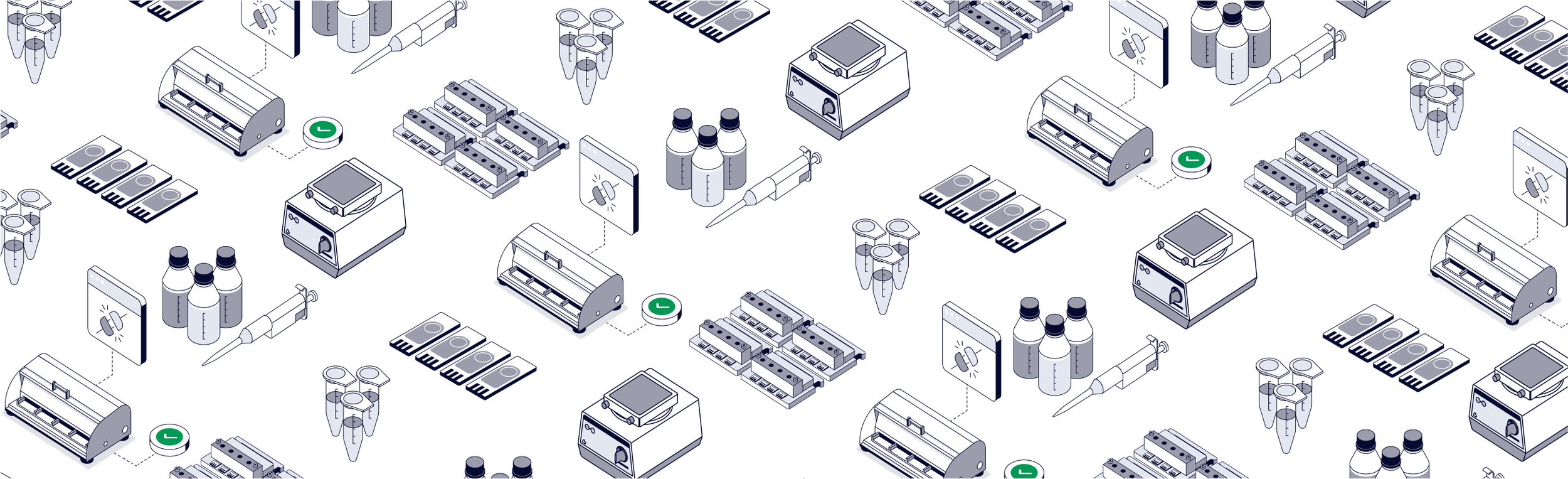
A core part of the project was creating a more coherent product language across the platform.
This included:
a cleaner and more restrained visual system
consistent component behaviour
clearer typography and hierarchy
improved spacing and layout logic
reusable patterns for forms, navigation, and content blocks
visual consistency across workflows and analysis views
This systems approach helped the interface feel more reliable, easier to use, and more scalable for future development. Your CV strengthens this positioning, especially around design systems, accessibility, cross-platform UI, and stakeholder collaboration.
Working with Existing Messaging
Because the messaging framework was already provided, my role was to ensure the creative execution supported it clearly and consistently.
That meant focusing on:
typography hierarchy
headline presentation
pacing of information
CTA visibility
layout consistency
designing assets that made message variants feel like part of one campaign family
This is an important point for hiring: it shows that you can work collaboratively within an existing strategic framework and still add strong design value through execution.
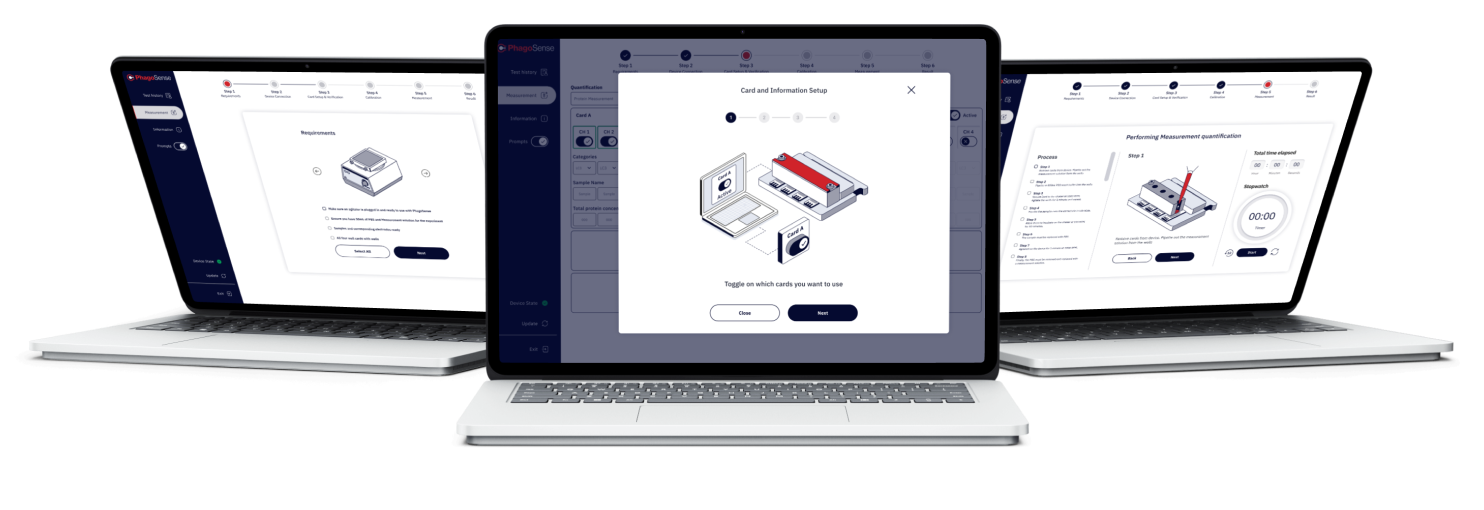
Landing Page and Digital Execution
A key part of the work was designing digital touchpoints that could hold the campaign together visually and support the broader user journey.
This included thinking through:
how the campaign should show up on-page
how content blocks should be structured
how the visual system should guide attention
how the experience could feel both informative and conversion-aware
how the creative could support tools like the AI Maturity Assessment within the larger campaign flow outlined in the deck
Multi-Format Rollout
The campaign was intended to work across multiple channels, including social, paid digital, landing pages, and broader content distribution. My contribution focused on making sure the creative system could flex across those outputs while maintaining a clear and recognisable visual identity.
This project demonstrates my ability to:
take an existing campaign direction and execute it well
design consistently across multiple asset types
build visual systems rather than disconnected graphics
create polished creative that supports business and campaign goals
Outcome
The result was a more cohesive creative system that helped express ADG’s campaign direction in a way that felt more polished, contemporary, and scalable across digital touchpoints.
While I was not responsible for strategy, my contribution was in making that strategy visible, usable, and engaging through design.
That is a strong and credible story for a portfolio because it highlights:
interpretation skills
visual systems thinking
execution quality
collaboration within a broader campaign team
Reflection
This project reinforced the value of strong creative execution within an established strategic framework. It showed how much impact design can have when it brings consistency, clarity, and polish to a complex campaign narrative.
It also reflects the kind of role I am strongest in: taking approved strategic direction and turning it into thoughtful, high-quality digital creative that can scale across platforms.